When are the dry seasons on Mount Kenya, which months to avoid, and what the weather is like on the mountain at different times of year.
Mount Kenya can be climbed all year, but the weather makes a big difference to how much you enjoy it. The mountain sits on the equator, so it has no summer or winter. Instead it has two dry seasons and two rainy seasons.
The best months: January to February, and June to October
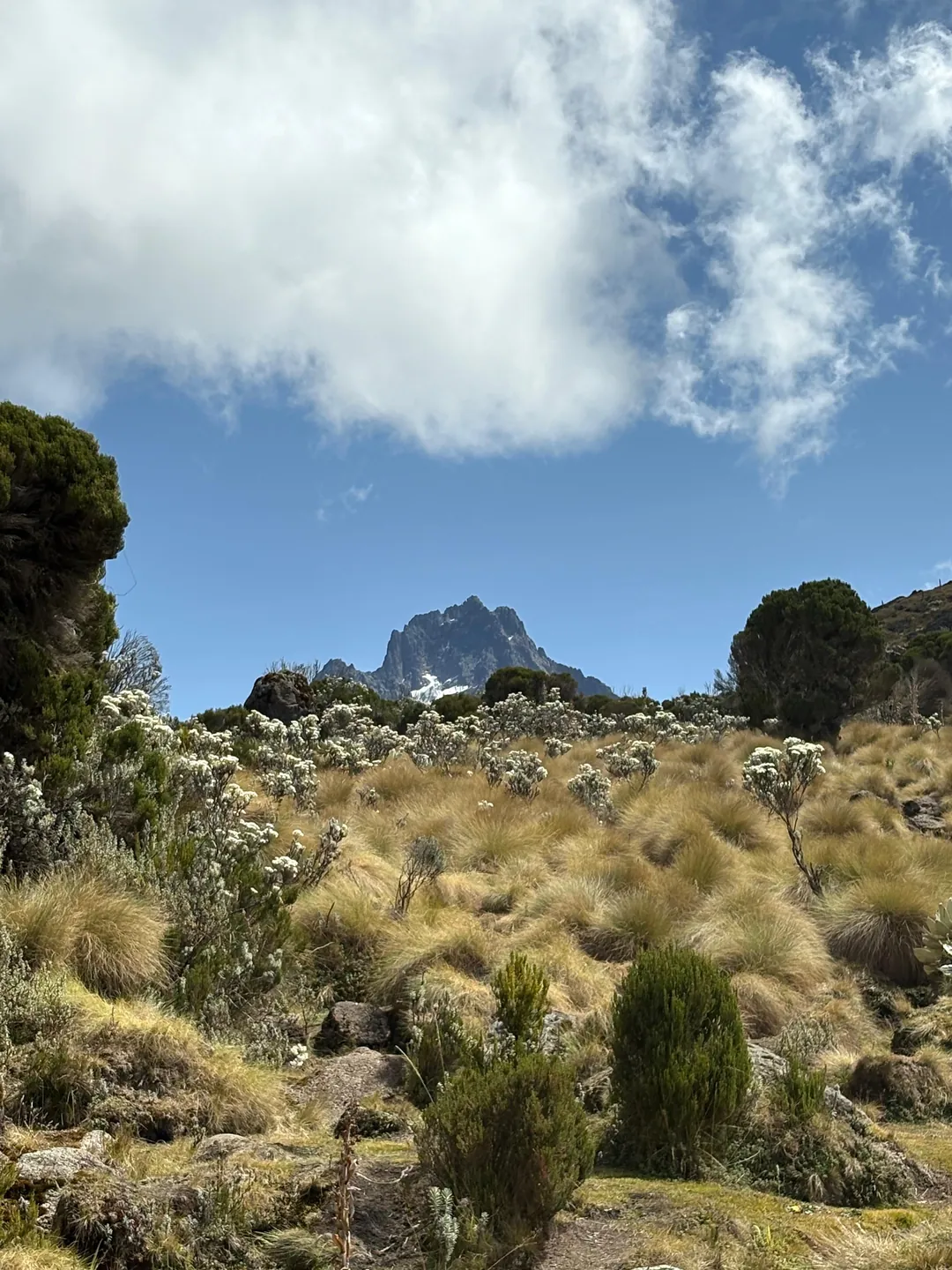
January and February are usually the driest, clearest months, with warm days and the best views of the peaks. June to October is the other dry season and the busier time on the mountain, especially in July and August. Both are good times to go.
The months to avoid
The long rains fall roughly from late March to May. Paths turn to mud, the forest is soaked, cloud hides the views and higher up the rain can fall as snow. We do not recommend climbing then.
The short rains, roughly November and December, are lighter and less predictable. Climbing is possible, but expect wet afternoons and pack accordingly.
What the weather is like each day
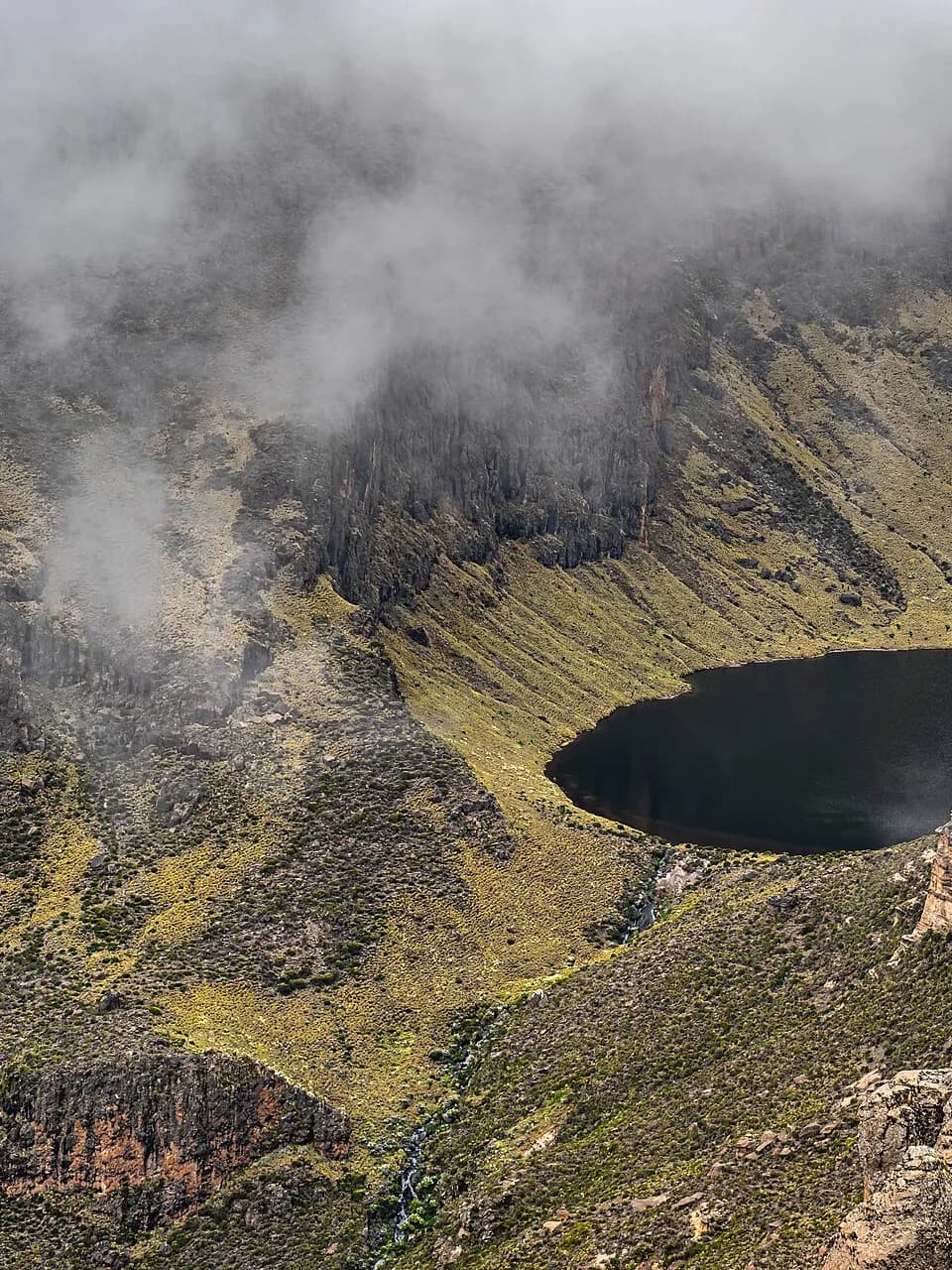
Even in the dry season, the mountain makes its own weather. Mornings are usually clear, and cloud tends to build in the early afternoon, which is one reason summit attempts start before dawn.
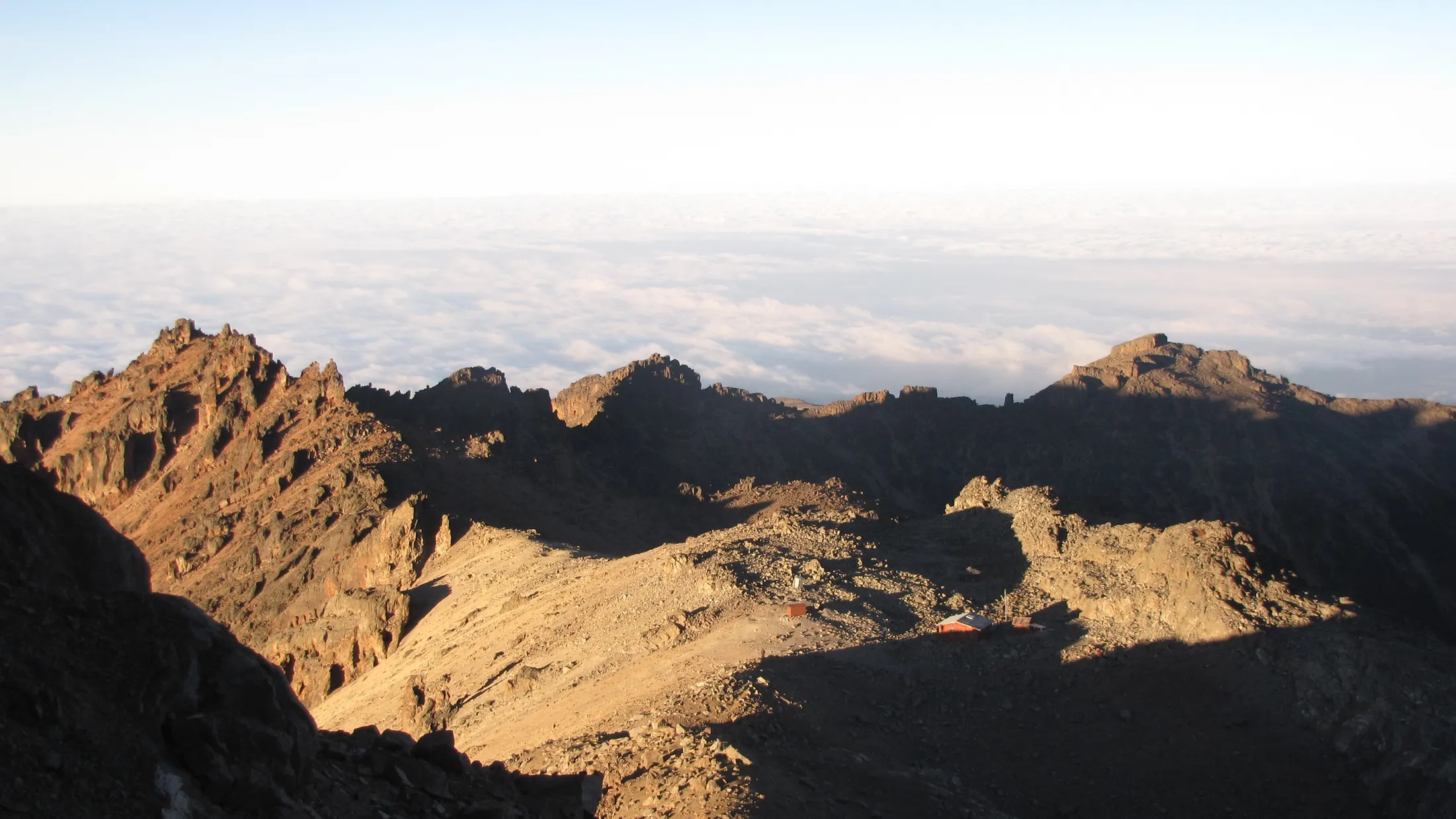
Above 4,000 m it freezes every night of the year, whatever the season. A warm sleeping bag and a down jacket are essential in every month. See what to pack for Mount Kenya.
When to climb Batian and Nelion
Technical climbers follow the sun. The south-east face of Nelion is in its best condition from December to March, when it is mostly clear of snow. See our Batian and Nelion climb.