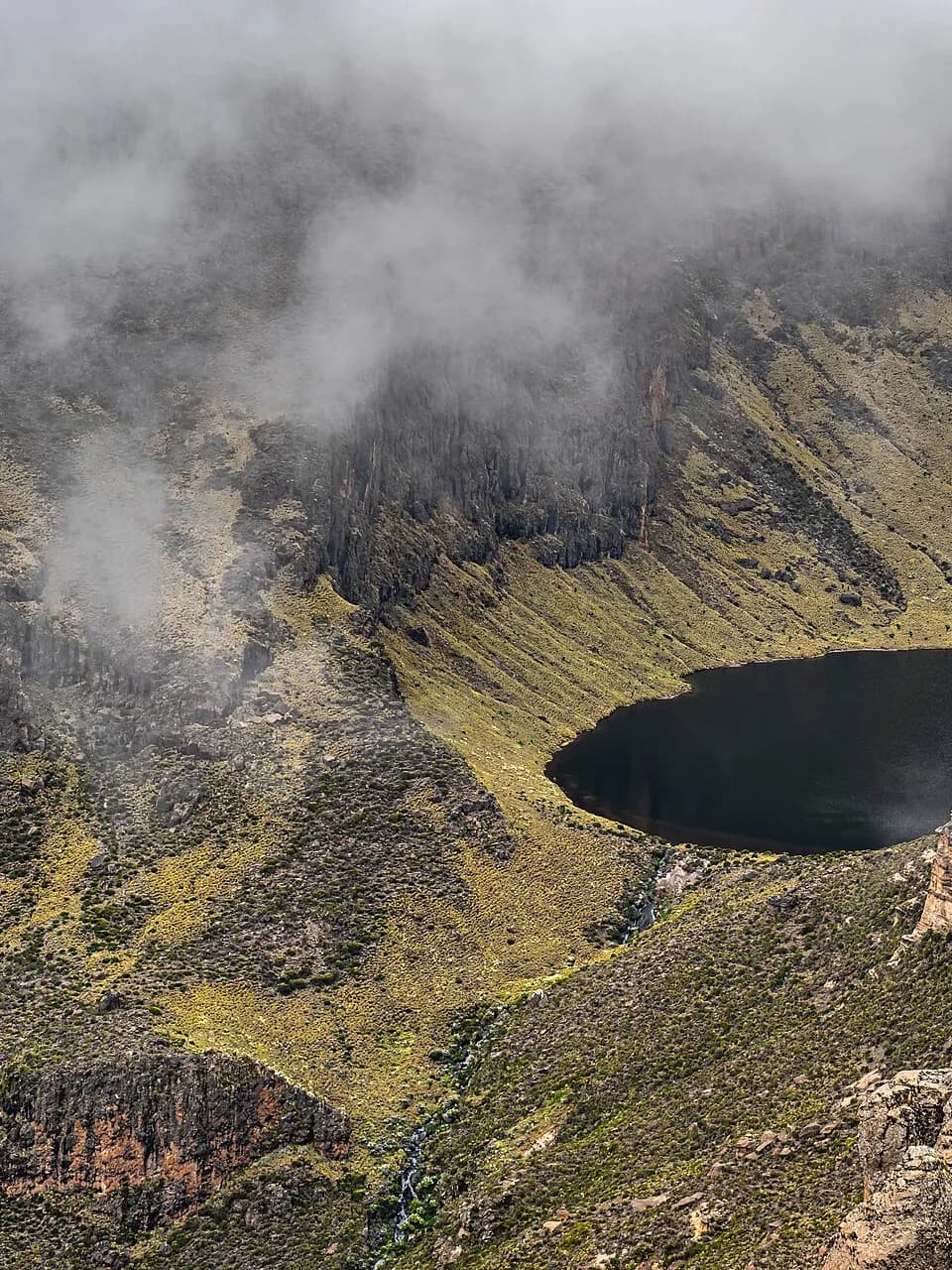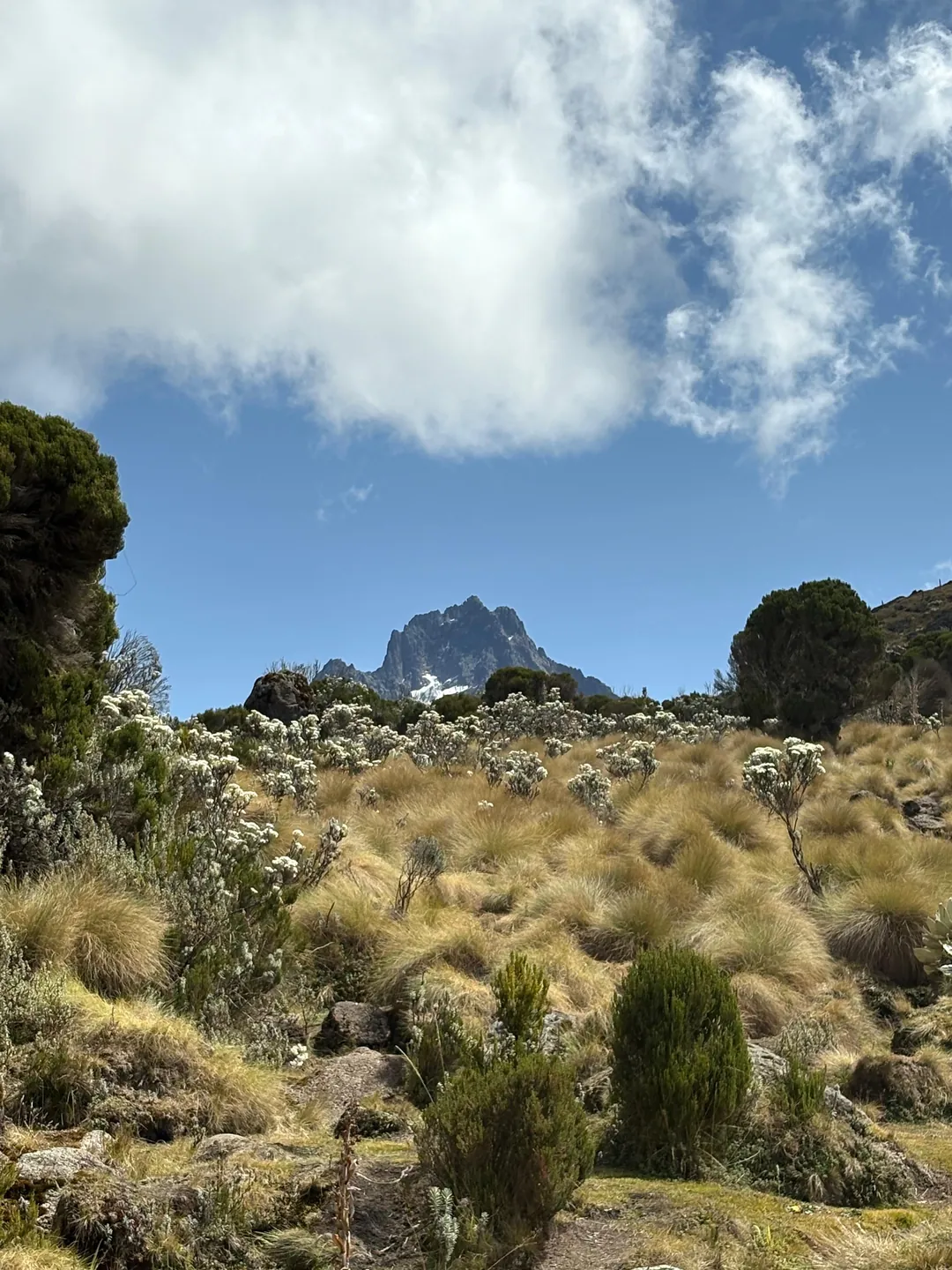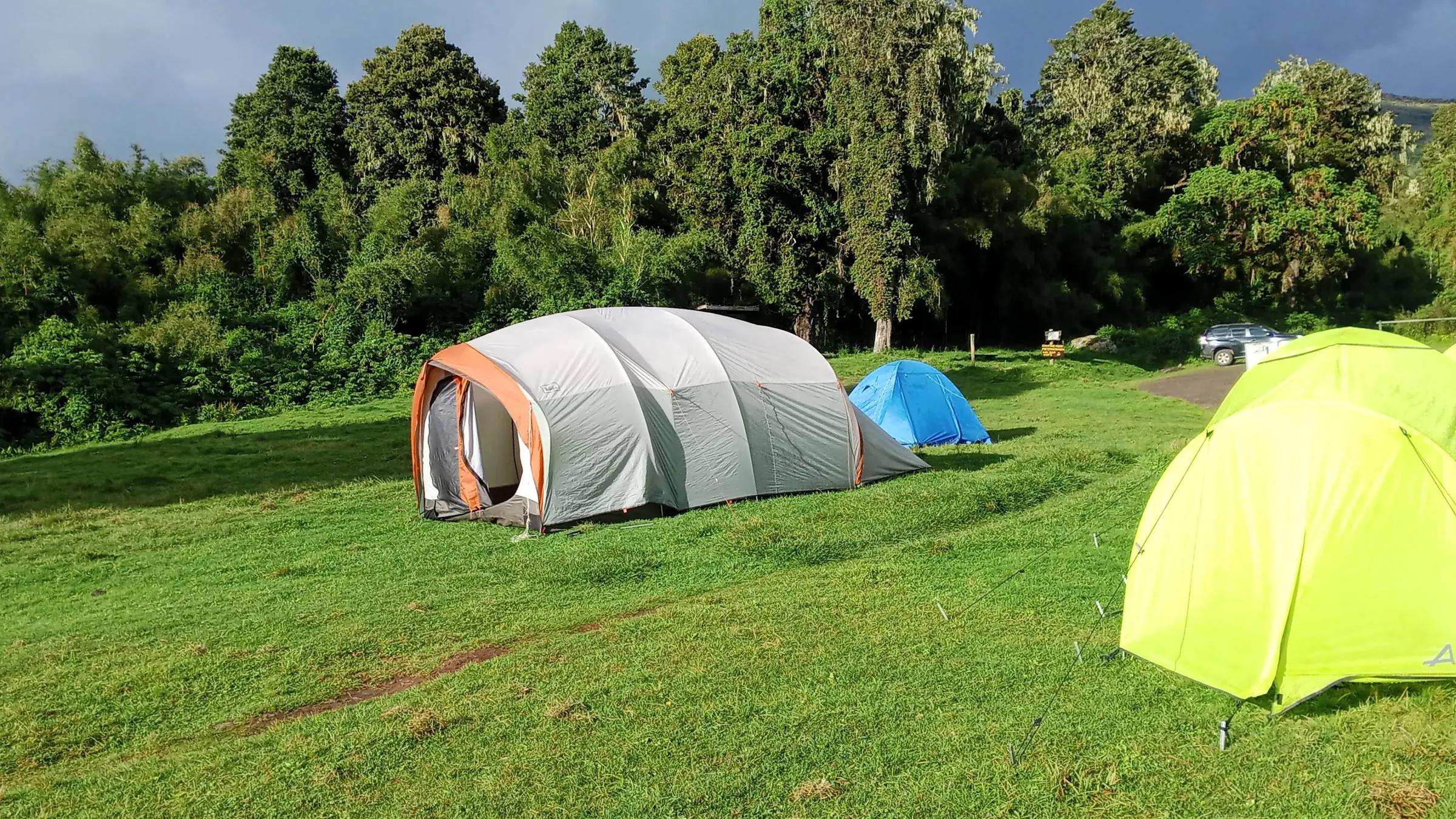
The mountain is on the equator, but the nights are below freezing. Here is what to bring, and what to leave at home.
Mount Kenya sits almost exactly on the equator, and visitors are often surprised by how cold it gets. Above 4,000 m the temperature drops below freezing every night of the year, and the summit morning is the coldest part of the trek.
The trick is layers, not bulk. A good kit keeps you warm without weighing you down, and most of it can be rented if you do not own it.
Wear it in layers
Start with a thin base layer next to the skin, add a fleece or light insulated jacket, and finish with a windproof and waterproof shell. On summit morning, add a down jacket over the top. Take it off as soon as the sun hits you, because you will warm up quickly.
Cotton is the one fabric to avoid: it holds sweat and takes a long time to dry.
Do not forget the small things
A warm hat, gloves and a buff are worth more than another jumper. Bring a headlamp with fresh batteries for the pre-dawn summit start, sunglasses and high-factor sun cream, because the sun is fierce at altitude, and a sleeping bag rated for freezing nights.
Broken-in boots matter most of all. Wear them for a few long walks before you travel, so the first blister is not on the mountain.