Africa's two highest mountains compared: height, crowds, scenery, days needed and difficulty, to help you decide which one to climb, or whether to do both.
Kilimanjaro and Mount Kenya are Africa's two highest mountains, and they are only a few hundred kilometres apart. Both can be trekked without climbing experience, and both reward you with a sunrise far above the clouds. But they are very different trips.
Height and summits
Kilimanjaro's summit, Uhuru Peak, is 5,895 m, the highest point in Africa, and trekkers can walk all the way to the top. That is its great appeal.
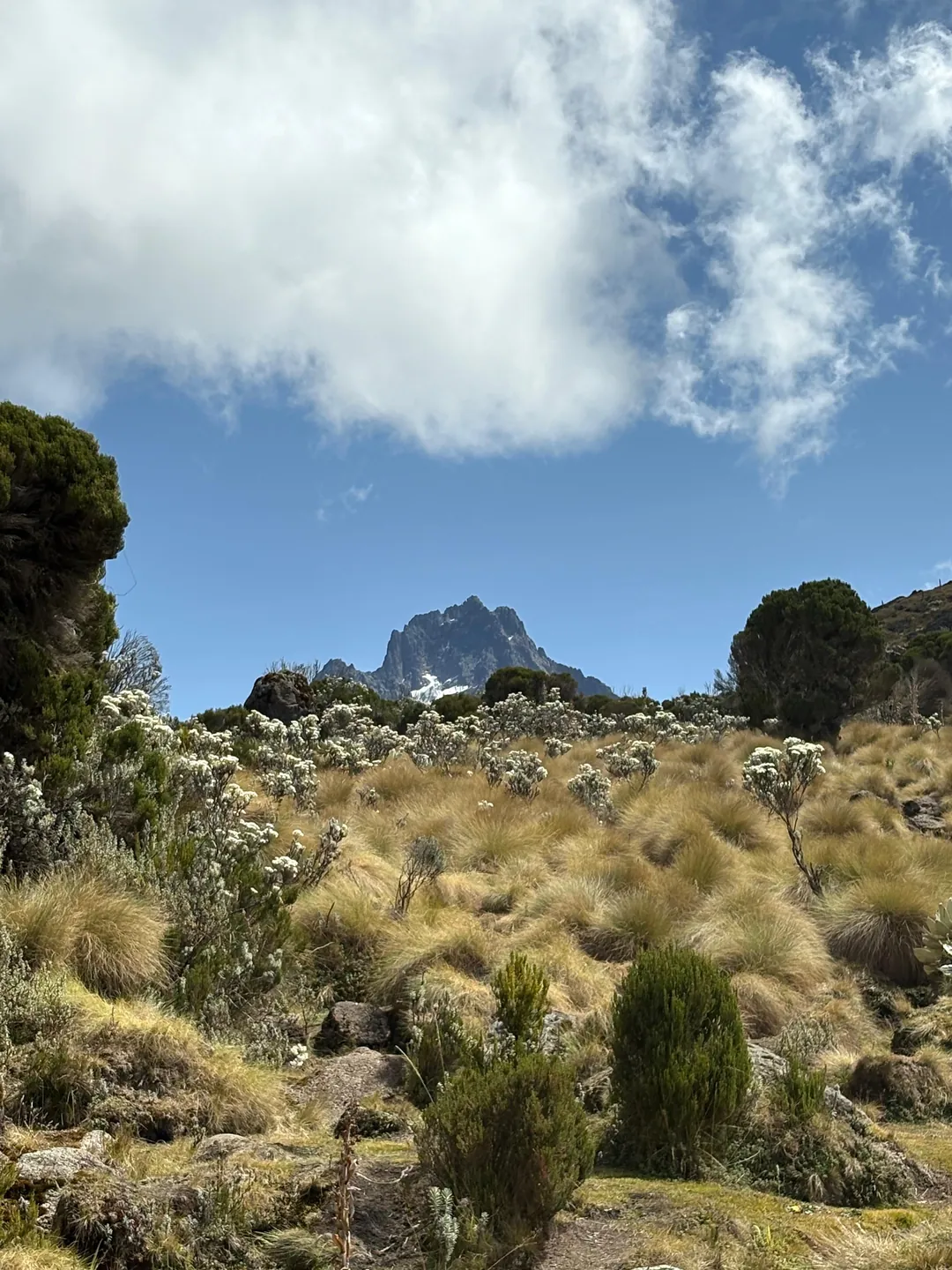
Mount Kenya's true summits, Batian (5,199 m) and Nelion (5,188 m), are rock climbs. Trekkers summit Point Lenana, at 4,985 m. Lower, but still a serious high-altitude walk.
Crowds and scenery
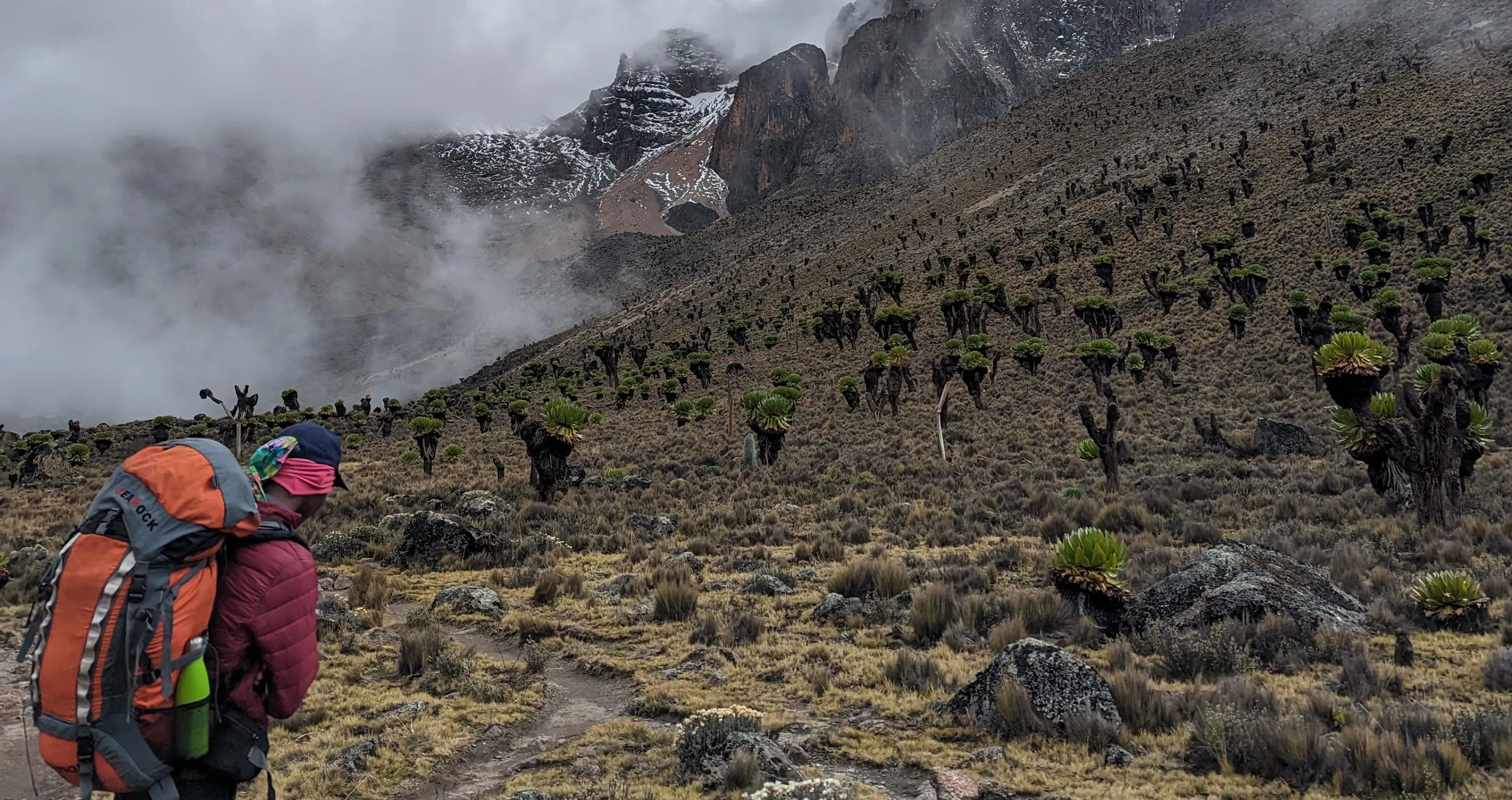
Kilimanjaro is far busier, with large numbers of trekkers on its most popular routes. Mount Kenya is much quieter, and on routes like Chogoria and Burguret you may see few other groups.
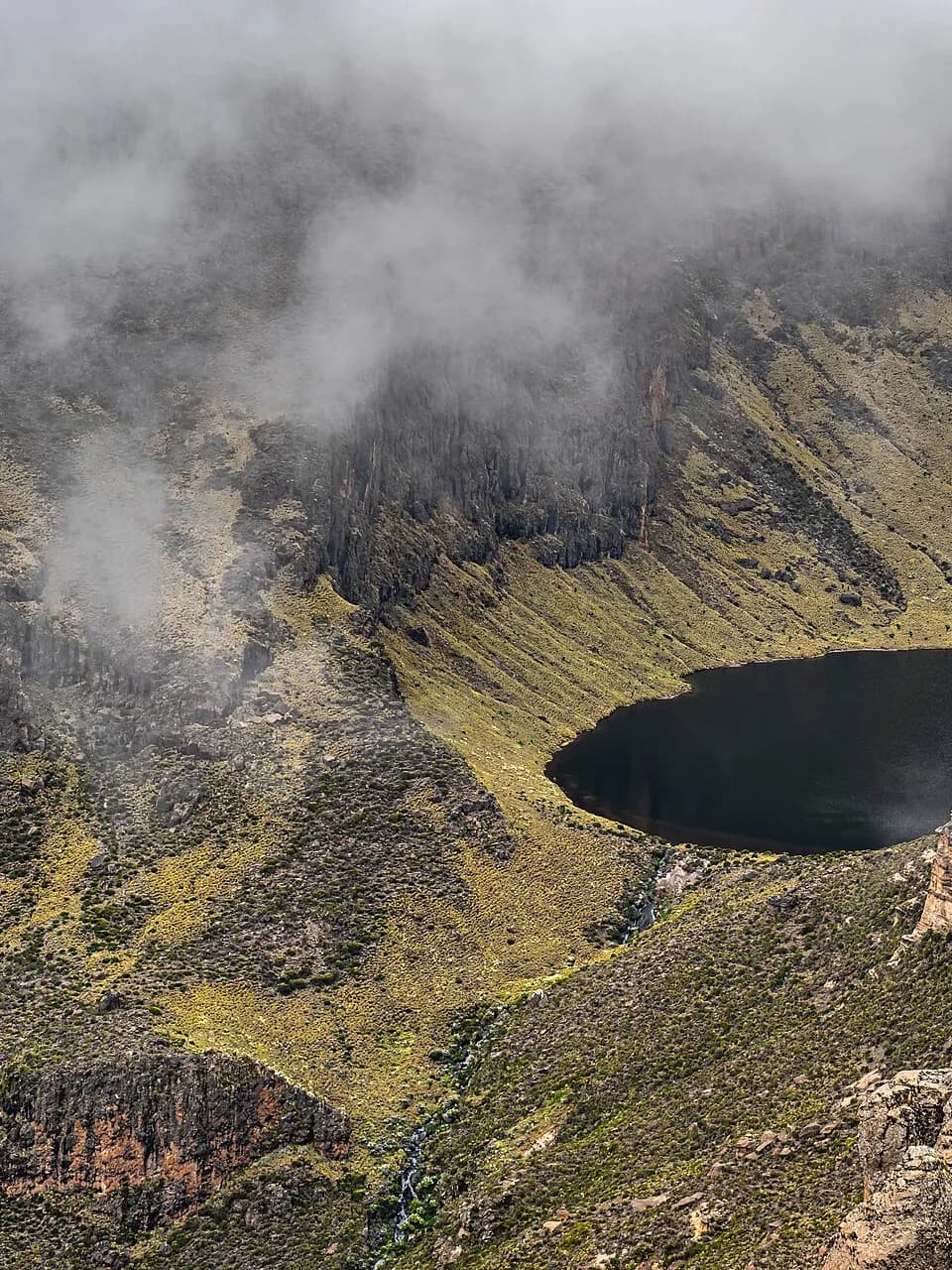
Kilimanjaro is a single, vast volcano, and its summit is a broad crater rim. Mount Kenya is a jagged, eroded volcano with sharp rock peaks, glaciers, tarns and deep valleys. Many people find its scenery more varied and dramatic.
Days and difficulty
Kilimanjaro is higher, so it needs more time: six to eight days is usual for a good chance of reaching the top. Mount Kenya treks usually take four to six days. Neither is technical on the walking routes. The difficulty on both is altitude, not steepness. Read about altitude sickness.
Can you climb both?
Yes, and many people do. Climbing Mount Kenya first is a popular way to acclimatise before Kilimanjaro, because your body arrives already used to the altitude.
Which should you choose?
Choose Kilimanjaro if standing on the highest point in Africa is what matters most. Choose Mount Kenya if you want a quieter, shorter trek with more varied scenery. And if you are a rock climber, the summits of Batian and Nelion are among the finest climbs in Africa. Start with which Mount Kenya route to take.