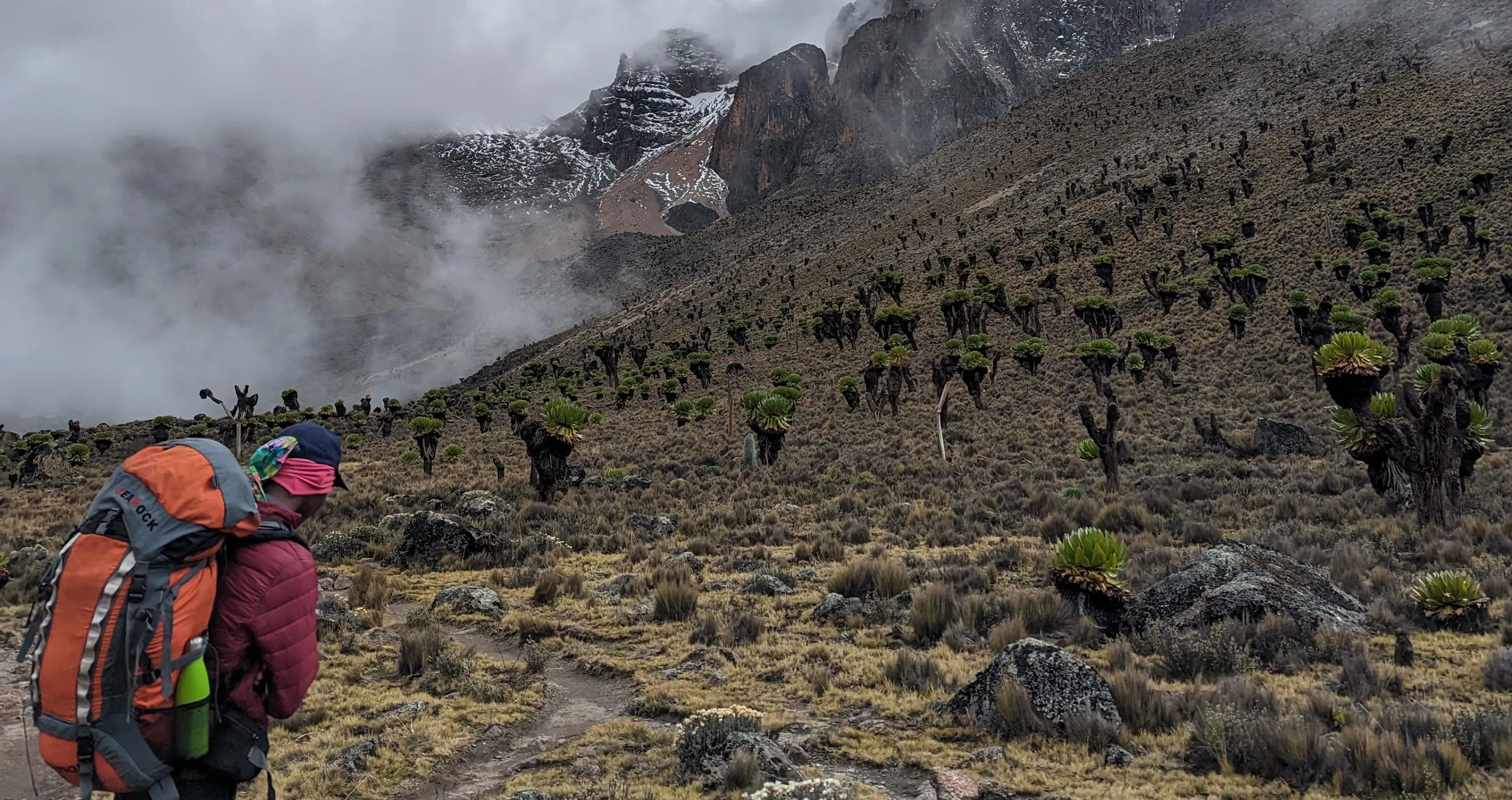
Forest walk · Mount Kenya Forest
Mount Kenya Forest Belt
- 1 day
- Up to about 3,000 m
- Easy difficulty
Overview
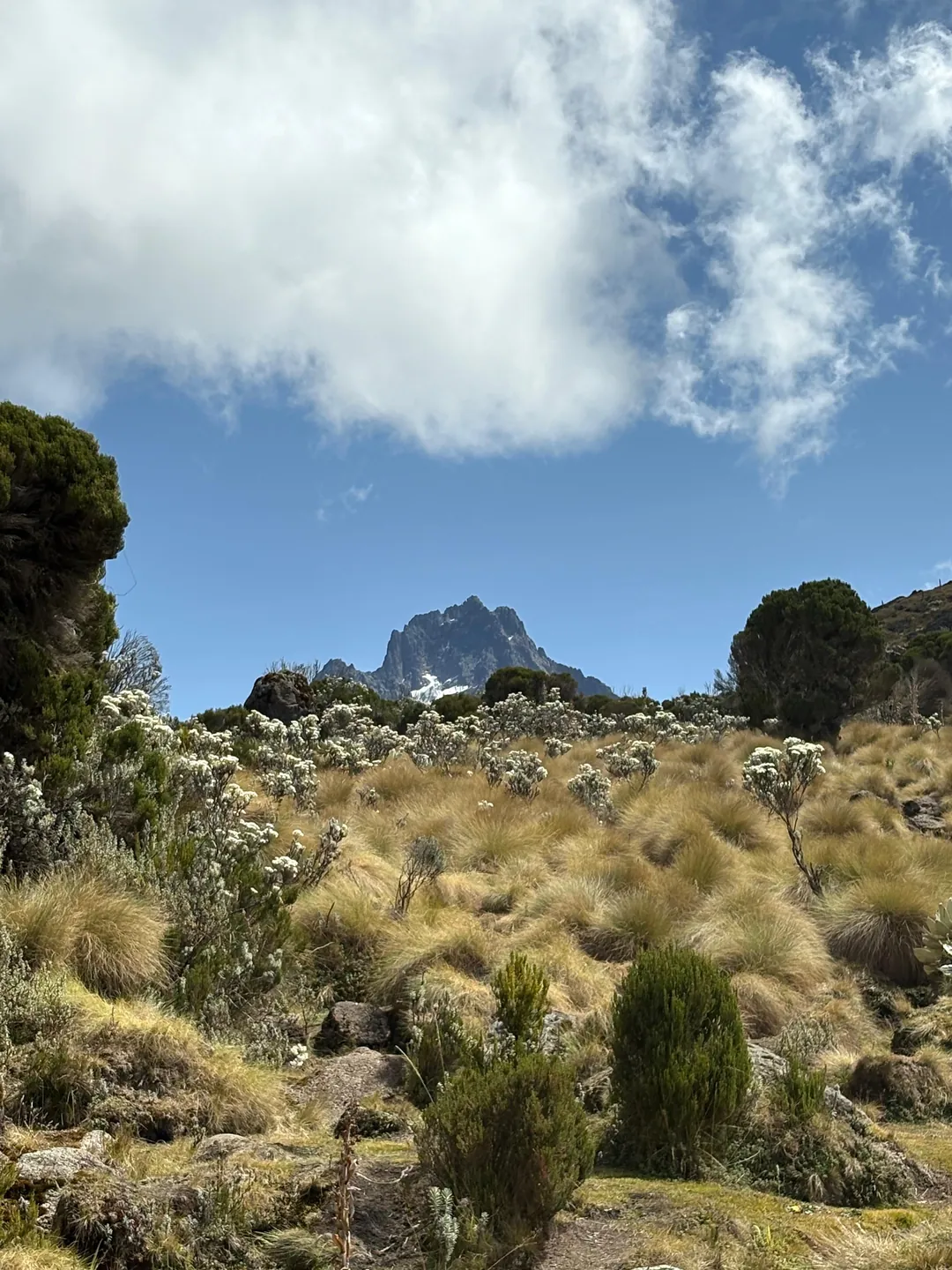
Mount Kenya's forest runs in belts: tall trees on the lower slopes, giving way to bamboo, and then to the woodland of the high slopes. Each belt has its own plants, its own birds and its own character, and walking up through them is a lesson in how altitude shapes life.
The mountain has a meaning beyond its plants. The communities that live around it, among them the Kikuyu, Embu and Meru, have long regarded it as sacred. Your guide shares that context respectfully, so you see the forest as a place that people also belong to.
- Tall forest trees and the belts of the mountain
- Bamboo, ferns and mosses in the cool, damp air
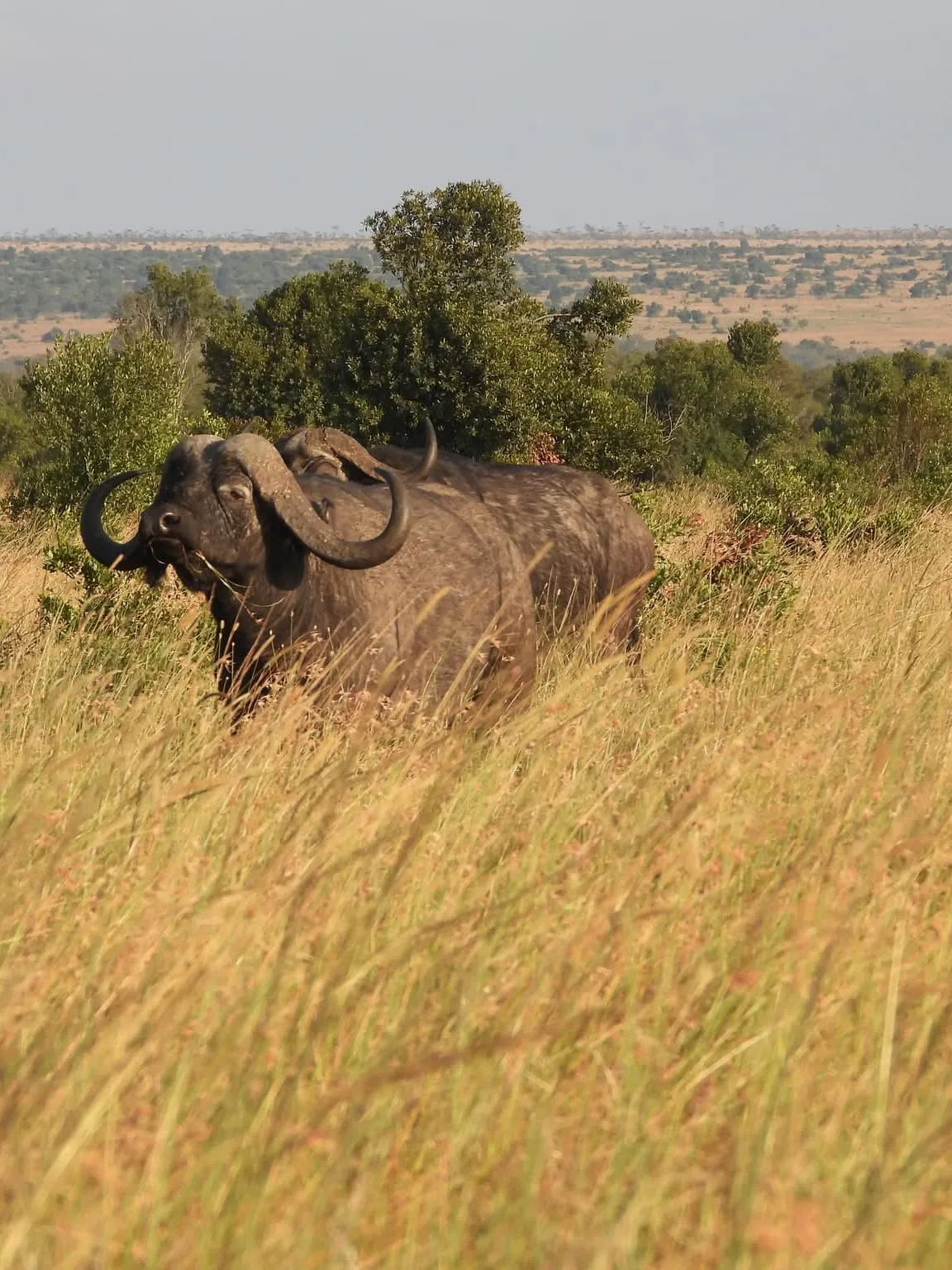
- Birds and monkeys among the canopy
- The cultural importance of the mountain to its neighbours
- A gentle pace with plenty of time to stop
At a glance
- Duration
- 1 day
- Altitude
- Up to about 3,000 m
- Difficulty
- Easy
- Group size
- 2–10 guests
- Starts and ends
- Nanyuki
A slow, gentle walk with frequent stops to look and listen. No climbing experience is needed.
When to go
Best months: Jan–Mar, Jun–Dec
- Jan: good time to go
- Feb: good time to go
- Mar: good time to go
- Apr: less suitable
- May: less suitable
- Jun: good time to go
- Jul: good time to go
- Aug: good time to go
- Sep: good time to go
- Oct: good time to go
- Nov: good time to go
- Dec: good time to go
The forest can be visited all year. The drier months, roughly January to March and June to October, make the paths easiest.
Itinerary
A sample itinerary. Final timings, camps and stops are confirmed when you book, and may change with the weather and the animals.
Morning
Into the forest
Drive from Nanyuki to the forest edge and begin a slow walk among the large trees of the lower slopes, with your guide pointing out the species, the epiphytes and the signs of the animals that live here.
- Meals
- Packed lunch
Midday
Bamboo and the higher woodland
Climb gently into the belt of bamboo and higher woodland, where the air is cooler and the plants change, and stop for a picnic lunch.
- Meals
- Packed lunch
Afternoon
A mountain that people belong to
On the way down your guide talks about the cultural importance of Mount Kenya to the communities around it, before the drive back to Nanyuki.
- Meals
- Snacks and water
What is included
Included
- Qualified local guide
- Forest and conservation fees
- Packed lunch, snacks and drinking water
- Transfers to and from Nanyuki
Not included
- Flights and visas
- Travel and medical insurance
- Personal gear such as sleeping bags (can be rented)
- Tips for guides and staff
- Alcoholic drinks
What to bring
- Layers, including a windproof and waterproof jacket
- Sturdy, broken-in walking boots
- Hat, sunglasses and sun cream
- A notebook and pen, or a plant identification app
- A camera, ideally with a macro mode
- A refillable water bottle
- A small daypack
Questions about this trip
No. Your guide helps you find and identify what is there, and explains how each bird or plant fits the place it lives in. Beginners and keen specialists are both welcome.
Mount Kenya Forest Belt1 day · priced on request
Plan this trip